Retiring in the Dominican Republic: A Guide for Future Makai Owners
Retiring in the Dominican Republic is a well-established path, supported by special residency programs for individuals with pension or investment income. For those considering this move, owning a residence at Makai simplifies the transition by providing a fully-managed, turnkey home base in the heart of Cap Cana, with residences starting from $329,000.
Which special residency options are available for retirees?
The Dominican Republic offers a dedicated residency program for foreign nationals who can demonstrate passive income from abroad. Established under Law 171-07, this program is designed for two types of applicants: 'Pensionados' (pensioners) and 'Rentistas' (rentiers or investors). It provides a streamlined path to residency without requiring employment in the DR.
This program is particularly attractive as it comes with special incentives, which your attorney can detail. The primary requirement is meeting a minimum monthly income threshold, which differs for Pensionados and Rentistas.
| Program | Minimum Monthly Income (USD) | Source of Income |
|---|---|---|
| Pensionado (Retiree) | $1,500 | Pension or retirement fund from a government or private company. |
| Rentista (Investor/Rentier) | $2,000 | Stable, permanent income from investments, real estate, or other passive sources. |
How does owning at Makai simplify the retirement transition?
Choosing to retire to a new country involves many logistical challenges, from setting up a home to managing a property from afar. Makai is designed to eliminate these hurdles, offering a true 'lock-and-leave' lifestyle perfect for retirees who want to travel or simply enjoy their new life without the burdens of typical homeownership.
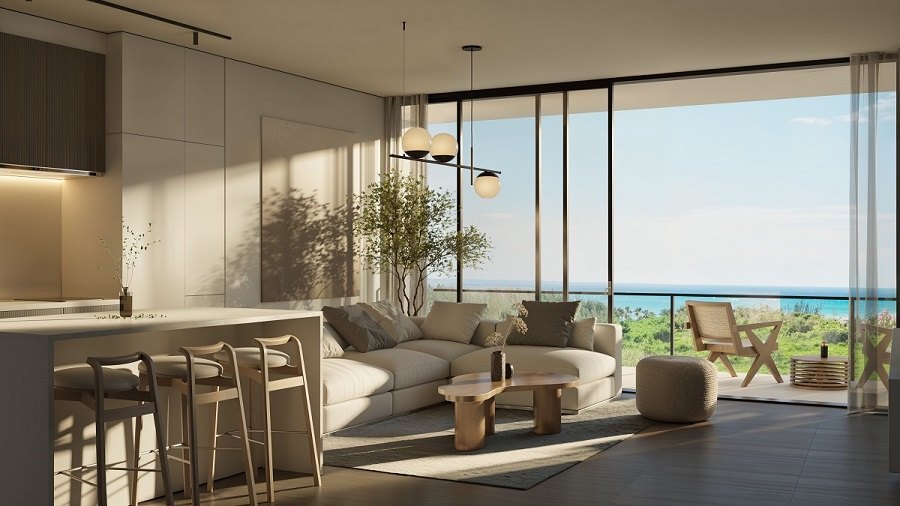
Turnkey Residences: Every one of the 216 residences at Makai is delivered fully furnished to a hotel-grade standard. This means you can move in or start generating rental income from day one, without the hassle and expense of sourcing and shipping furniture.
Managed Rental Program: The entire property is operated by Dolce Hotels & Resorts by Wyndham. For owners who don't live here year-round, this program handles all aspects of renting your unit, from bookings to guest services. The developer's proforma projects a 7-11% annual return based on 60% to 85% occupancy, which could supplement retirement funds. Budget for the tax on it: non-resident owners face a 27% withholding on gross rental income with no deductions, and short-term tourist rentals carry 18% ITBIS that the owner, not the booking platform, remits. Rates change, so confirm them before you plan around this figure. These are projections, not guarantees.
A Built-in Community and Lifestyle: With amenities like a spa, fitness center, padel and pickleball courts, and a 23-seat private cinema, Makai offers a resort lifestyle within a private residential community. This provides retirees with ample opportunities for recreation and socializing right at their doorstep.
What tax advantages apply to a retirement property at Makai?
Makai is a CONFOTUR-approved project, registered under the Dominican Republic's Law 158-01 for the Promotion of Tourism Development. This provides significant tax benefits to the first buyers of a property, regardless of their nationality or residency status.
The two primary benefits are:
- Exemption from the Property Transfer Tax: Buyers are exempt from the 3% tax that is normally levied on the transfer of real estate.
- Exemption from Annual Property Tax (IPI): The law provides for a 15-year exemption from the 1% annual property tax (IPI) for qualifying projects. This tax is typically charged only on the value of a property above an annually-adjusted threshold.
It is important to note that these benefits are not automatic and must be filed for and recorded on the property's title. The 15-year IPI exemption period is tied to the project's approval date. Your attorney will confirm the specifics of how these exemptions apply to your purchase at Makai and handle the necessary filings.
Can owning property provide a faster path to Dominican citizenship?
Yes, Dominican law provides for a privileged naturalization process for certain foreigners, including those who own real estate. Under Law 1683 of 1948, a foreigner who owns property in the Dominican Republic may be eligible to apply for citizenship after only six months of uninterrupted official residency. This is significantly shorter than the standard two-year residency requirement for the ordinary naturalization path.
However, it is crucial to understand the nuances. The law does not specify a minimum property value for this benefit. Furthermore, legal experts have differing interpretations of what 'uninterrupted residence' means in practice—whether it requires physical presence for the entire six months or simply holding the residency permit for that duration. The process also involves a final discretionary approval by the President of the Dominican Republic.
For those interested, the Dominican Republic permits dual citizenship. Your attorney is the only one who can provide definitive advice on whether your purchase at Makai and your personal circumstances would qualify you for this expedited path and guide you through the application process.
What is daily life like for a retiree in Cap Cana?
Life at Makai means being part of the exclusive, master-planned community of Cap Cana. This isn't just a location; it's a self-contained world designed for convenience and high-quality living. For a retiree, this means having world-class amenities and services within a few minutes' drive, or even a short walk.
From your residence at Makai, it's a 1,600-foot walk to the white sands of Playa Caracol. The Punta Cana International Airport (PUJ), with direct flights to major cities worldwide, is just a 15-minute drive away, making travel for you or your visiting family incredibly easy. Within Cap Cana itself, you have access to the renowned marina, championship golf courses including the new Las Iguanas course behind Makai, and a variety of high-end restaurants and boutiques. This infrastructure provides the perfect balance of a tranquil Caribbean retreat and a connected, convenient lifestyle.
Common questions
- Do I have to be of a certain age to qualify for the Pensionado or Rentista visa?
- No, the program is based on passive income, not age. Law 171-07 is designed for 'Pensioners and Rentiers' of any age who meet the specified monthly income requirements from foreign sources.
- Is my foreign pension or investment income taxed in the Dominican Republic under this program?
- Law 171-07, which establishes the Pensionado and Rentista programs, is a law of 'Special Incentives'. Law 171-07 is titled as providing special incentives to pensioners and rentiers of foreign source; what it exempts in a given case is for a Dominican tax adviser to confirm rather than for us to summarise. An attorney specializing in Dominican immigration law can explain the exact tax treatment for your specific situation.
- What if I don't meet the income requirements for the Pensionado/Rentista visa?
- The Dominican Republic offers several other residency pathways, including residency by investment. The Pensionado/Rentista program is just one specialized route. Our separate guide on residency options details the other available programs.
Want the details for your own situation?
Ask about availability, layouts or the buying process, and someone from the sales team will get back to you.
Get in touch