Your Guide to Owning a Vacation Rental in Punta Cana
Owning a vacation rental in Punta Cana means acquiring an asset that can generate income from the region's strong tourism demand. At Makai, this is achieved through fully furnished, turnkey residences within a hotel-managed rental program operated by Dolce Hotels & Resorts by Wyndham, designed to be a hands-off experience for owners.
What makes a Makai residence a strong foundation for a vacation rental?
A successful vacation rental starts with a desirable property in a prime location. Makai Residences are situated within the gates of Cap Cana, a premier master-planned community in Punta Cana. This location places owners and guests just a 15-minute drive from Punta Cana International Airport (PUJ) and a 1,600-foot walk from Playa Caracol.
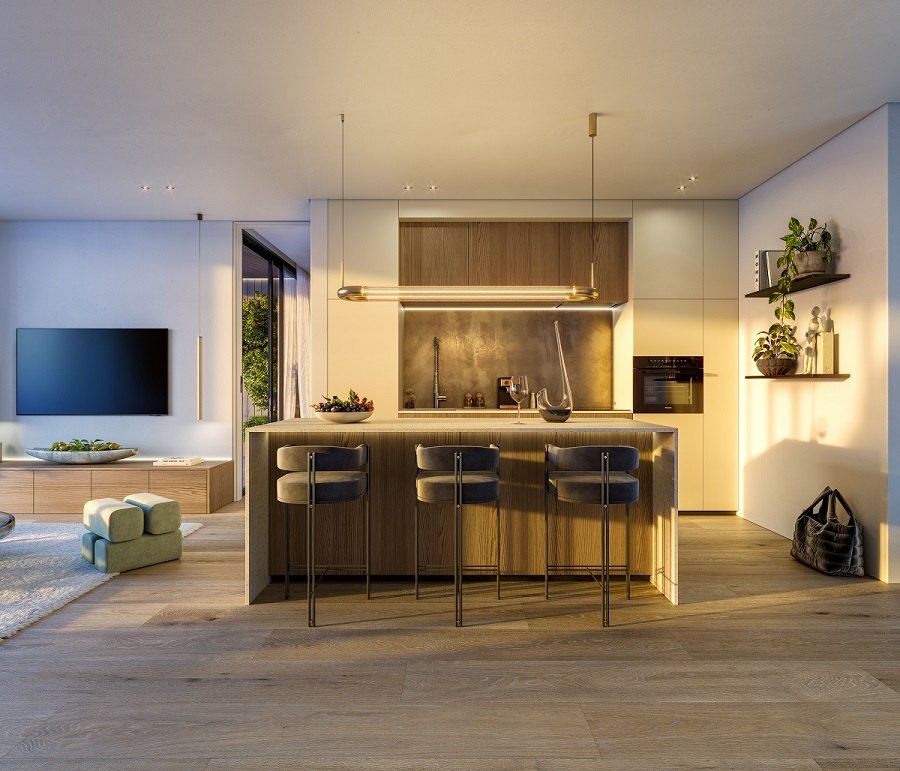
Every one of the 216 residences at Makai is delivered fully furnished and turnkey. This means from the day of handover, your property is ready to be occupied or entered into the rental program without the need to source furniture, appliances, or decor. The residences themselves range from 759 to 1,489 square feet of constructed area, offering a variety of layouts to appeal to different guest preferences. The combination of a strategic location and a rental-ready asset from day one creates a solid base for an investment property.
How does the Dolce by Wyndham rental program work for owners?
Makai operates as a condo-hotel, where residences are managed through a single, centralized rental program run by Dolce Hotels & Resorts by Wyndham. This structure is designed to provide a hands-off ownership experience. Instead of marketing and managing the property individually, owners who opt into the program benefit from Wyndham's global distribution channels, brand recognition, and loyalty program to drive occupancy.
The program handles key operational aspects like bookings and guest services centrally. While owners retain personal use of their residence for a specified period each year, the rest of the time it functions as part of the hotel's inventory. This model aims to streamline the rental process, leveraging the scale and expertise of a major hotel operator. The developer projects a 7-11% annual return based on this model, though these are projections and not guarantees. For specific terms, including owner-use policies, prospective buyers should request the program's official documentation.
What taxes apply to income from a short-term rental in the Dominican Republic?
When you own a vacation rental in the Dominican Republic as a non-resident, the income is subject to specific taxes. It's important to distinguish these from property taxes, which are treated differently, especially for a CONFOTUR-approved project like Makai. An attorney can provide definitive guidance for your situation.
Here is a breakdown of the key taxes an owner should be aware of:
| Tax Type | Rate | Notes for a Makai Owner |
|---|---|---|
| Rental Income Tax | 27% | A withholding tax applied to the gross rental income for non-residents, with no deductions. This is a single, definitive payment. |
| ITBIS (VAT) | 18% | This value-added tax applies to short-term tourist accommodations. The property owner (host) is responsible for its payment. |
| Property Transfer Tax (IPDT) | 3% | The law exempts the first buyer from the developer on a CONFOTUR-approved project. This is a one-time saving at purchase. |
| Annual Property Tax (IPI) | 1% | The law provides an exemption for qualifying projects. This tax is normally levied only on property value above an annually adjusted threshold. |
Are there specific rules for listing on platforms like Airbnb or VRBO?
While national law in the Dominican Republic permits short-term rentals, the primary regulations for a property like Makai come from two sources: the condominium's own bylaws and the terms of the managed rental program. Because Makai operates as a unified condo-hotel under the Dolce by Wyndham brand, owners in the rental program do not list their properties independently on platforms like Airbnb or VRBO. Instead, marketing and distribution are handled by the operator as part of a cohesive strategy for the entire building.
This integrated approach is a key feature of the investment model at Makai. It avoids competition between individual owners within the same building and ensures a consistent standard of service and guest experience, which is crucial for maintaining the hotel brand's reputation. Owners who choose to opt out of the rental program for personal use would be subject to the condominium's bylaws regarding rentals.
What is the timeline from purchase to generating rental income?
The path from purchasing a pre-construction residence to seeing your first rental guest involves several key stages tied to the development's construction schedule. At Makai, which is being delivered in two phases, the timeline is clearly defined.
- At Signing Secure Your Residence The purchase process begins, securing a specific unit within the 216-residence community.
- Pre-Delivery Unit Preparation As construction concludes, your residence is fully furnished and equipped to the hotel-grade standards of Dolce by Wyndham.
- Q2 2028 Phase 1 Handover Owners of Phase 1 units take possession. The residence can immediately enter the Wyndham-managed rental program.
- Q2 2029 Phase 2 Handover Phase 2 is delivered, completing the community and bringing all residences online.
- Post-Handover Rental Operation Begins Your turnkey property is now part of the hotel's inventory, positioned to generate income from guests.
Common questions
- Do I have to participate in the Wyndham rental program?
- Participation is the default for owners who wish to rent out their property, as Makai is operated as a single hotel entity. This ensures a consistent guest experience and leverages the Wyndham brand. A small number of owners may choose to opt out and use the residence exclusively for themselves year-round, but they cannot rent it independently.
- Does the CONFOTUR tax exemption apply to rental income?
- Neither a plain yes nor a plain no is supportable here. CONFOTUR's exemptions are recorded against the 3% transfer tax at purchase and the 1% annual IPI - the taxes of acquiring and holding a Makai residence. Rental earnings run under their own rules, chiefly a 27% withholding on gross income for non-residents and 18% ITBIS on the accommodation service. We hold no source that settles how the two meet on a particular purchase, so treat it as a question for your attorney, and confirm the current rates at the same time.
- As an owner, how much personal use do I get?
- Owners in the rental program are allotted a certain amount of time each year for personal use of their residence. The specific number of weeks or days can vary. For the current owner-use terms and any blackout dates, you should ask for the official rental program agreement.
Want the details for your own situation?
Ask about availability, layouts or the buying process, and someone from the sales team will get back to you.
Get in touch