Grocery shopping in Punta Cana, read from a Makai kitchen
Grocery shopping in Punta Cana begins with a drive for anyone living at Makai Residences: open map data puts a full supermarket about 7.7 miles away by road, and the Downtown Mall in Bávaro about 13.7 miles. What makes the first trips easier is less the route than the rules behind the shelf. Dominican consumer law sets how a price tag must read and what an imported packet must say, and in which language, while a decree now living on borrowed time decides when a colmado stops selling beer. This guide sets those rules out from Makai's own address.
How far is each kind of shop from Makai?
Makai sits inland in Cap Cana, beside a lake and the Las Iguanas golf course, so almost every errand beyond the gates starts in the car. Within the community, Cap Cana's own dining directory lists a minimarket, a gourmet market, a fish market, an eco-store and a liquor shop. Nobody has measured the drive from Makai to each of them, and their tenants change, so the table below leaves them without a distance.
Beyond the gates, the distances were measured on a public routing engine from Makai's published location, and the table pairs them with the drive time on this site's own distance list where that list covers the place. Treat the supermarket as the place for a full grocery run, and Bávaro's shopping district as the trip for everything else a household needs.
| Where | Good for | From Makai |
|---|---|---|
| Cap Cana's delis and provisions | Bread, wine, charcuterie and the day's fish | Inside the gates; not measured |
| Nearest supermarket on open map data, Boulevard Punta Cana | A full grocery run | About 7.7 miles by road |
| Downtown Mall, Avenida Barceló, Bávaro | Bávaro's shopping district | About 13.7 miles by road, around 20 minutes |
What does a furnished residence still need from the first trip?
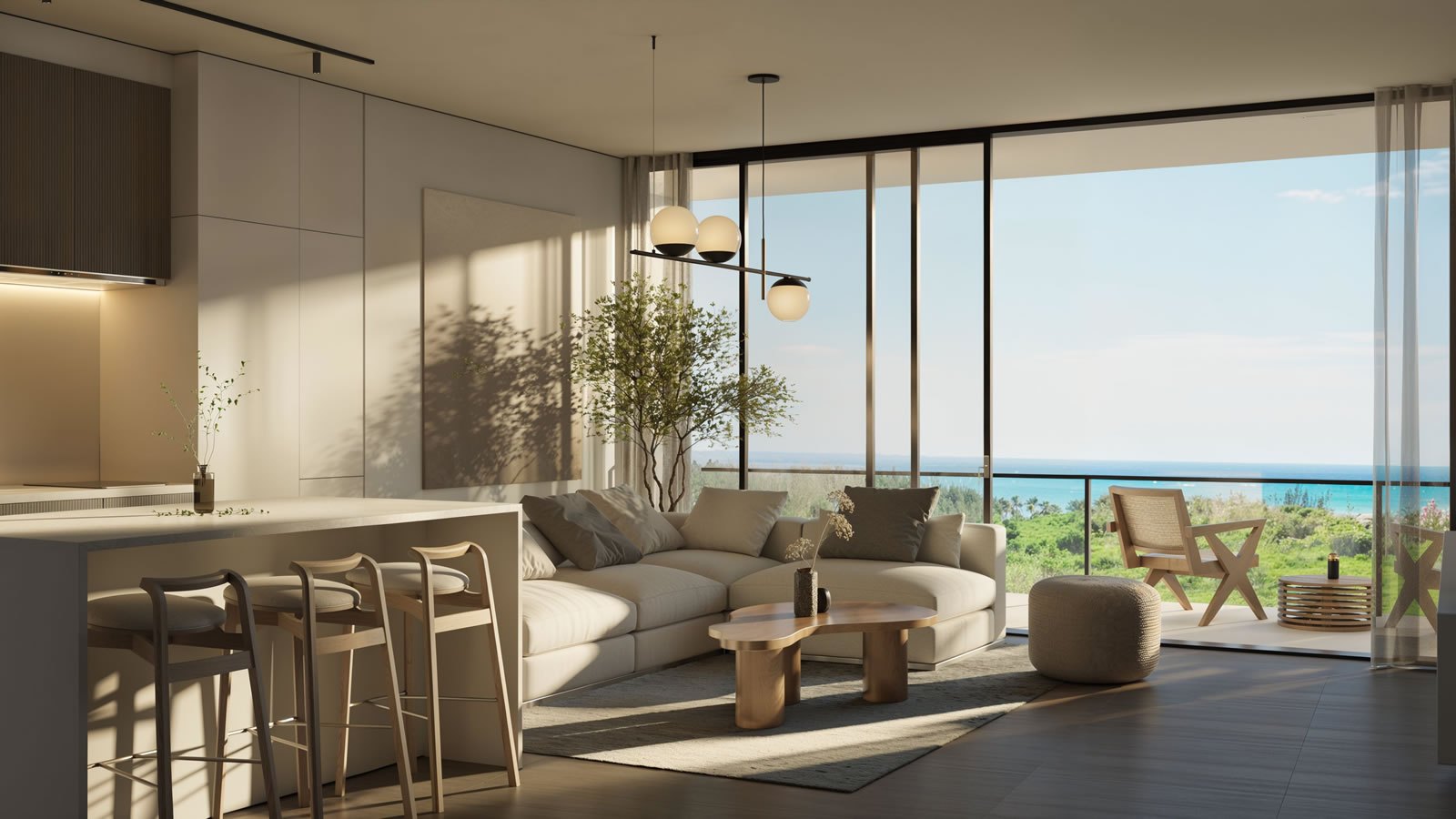
Makai's residences are delivered fully furnished, so the first trip is about the pantry rather than the kitchen drawer. With the furnishing in place, the list comes down to food, drinks and cleaning products, plus whatever a household carries from one home to another: the coffee you like, the spice you cannot do without, the breakfast a child will actually eat.
Two habits make that list shorter. A long-running travel guide notes that most Dominicans buy their everyday food at the colmado, the corner shop stocked with basic groceries, a wide choice of drinks and some fresh produce, while the resort areas have grocery stores laid out much as they are at home. And Makai's plans include a restaurant and bar and a swim-up pool bar, so the first evening does not hang on the shopping. An owner who places the residence in the managed rental programme should ask the operator what a guest finds on arrival, rather than assume the cupboard is stocked.
How should a Dominican price tag read?
The general consumer-protection law, Ley 358-05, answers this more precisely than most visitors expect. Prices must be displayed noticeably and unequivocally where the public can see them, and expressed in the national currency, so the shelf speaks in Dominican pesos. At the point of sale the law asks for the price per unit of measure as well as per item, which is what lets you compare a large pack with a small one. Where a price is shown, it must be the total including taxes, or come with a notice that the taxes are not included.
The unit you will meet most often is the pound. When Pro Consumidor, the consumer agency, surveyed prices in September 2026, it quoted whole fresh chicken by the pound, the libra, and rice in 10-pound presentations, so a North American sense of quantity carries straight over. One more line, in Article 87, is worth knowing at the till: prices may not be modified according to the means of payment used. If a card price differs from a cash price, that is the clause to point to.
What must an imported packet say, and in which language?
A good share of a holiday basket is imported, and the same law follows those goods onto the shelf. Article 85 requires label information in Spanish, in clear and legible characters: origin, ingredients in order of quantity, weight or quantity, instructions for use and, for perishable goods, the production, expiry or best-before date. That is why a jar bought in Bávaro may wear a Spanish label over its original one; check the shelf rather than assume.
Article 41 reaches back to the border. The regulation it calls for must stop Customs clearing imported consumer products that lack a sanitary registration or an expiry date, are past that date, or carry no label at least in Spanish, and Article 43 forbids altering an expiry date. Pro Consumidor enforces these rules. The habit worth building is simple: read the date on anything chilled or imported before it goes in the trolley, and keep the receipt.
When do beer, wine and rum stop being sold?
Decree 308-06 sets the hours. It limits the sale of alcoholic drinks in colmados, bars, discotheques, casinos and other entertainment venues from midnight on Sunday to Thursday and from 2:00 AM at weekends, with temporary or permanent closure for a business that breaks it. Reports of the decree name those venues and do not name supermarkets, so a supermarket's own hours and policy decide what its liquor aisle does late at night.
The rule is in an unusual position. On 28 July 2026 the Constitutional Court, in ruling TC/0689/26, held that restrictions this general and lasting must come from a law passed by Congress rather than a presidential decree, and declared it unconstitutional. To avoid a gap, the court kept the decree in force for two years from notification while Congress legislates, and the executive can still decree short, dated exceptions, as it has for Christmas and New Year. For an owner the practical reading has not changed: buy the evening's drinks before midnight on a weeknight. A bottle from home is the other route, since Dominican customs lets an adult bring in about 1.3 US gallons of alcoholic drinks without import taxes, an allowance the rules themselves set in metric units.
Common questions
- How far is the nearest supermarket from Makai?
- On open map data the nearest full supermarket is on Boulevard Punta Cana, about 7.7 miles from Makai by road. The Downtown Mall in Bávaro is about 13.7 miles, around 20 minutes, and Cap Cana's own delis and provisions shops are inside the gates.
- Can a Dominican shop charge more if I pay by card?
- Ley 358-05, Article 87, says prices may not be modified according to the means of payment used, and that they must be shown in Dominican pesos. Pro Consumidor is the agency that enforces the law.
- Are groceries priced by the pound in the Dominican Republic?
- Mostly, yes. Pro Consumidor's September 2026 price survey quoted fresh chicken per pound and rice in 10-pound packs, and the consumer law asks shops to show a price per unit of measure.
- What time do alcohol sales stop in Punta Cana?
- Under Decree 308-06, colmados, bars and similar venues stop selling at midnight Sunday to Thursday and at 2:00 AM at weekends. The Constitutional Court declared the decree unconstitutional on 28 July 2026 but kept it in force for two years.
- Do imported foods have to be labelled in Spanish?
- Yes. Ley 358-05 requires label information at least in Spanish, including an expiry or best-before date on perishable goods, and says Customs should not clear imported consumer products without one.
Want the details for your own situation?
Ask about availability, layouts or the buying process, and someone from the sales team will get back to you.
Get in touch